SEFIRE · Fireplace guides
Does Using a Fireplace Affect the Home Heating and Ventilation System?
A fireplace can change room temperature and, for combustion systems, interact with the building’s airflow. Check the system rather than assuming independence.
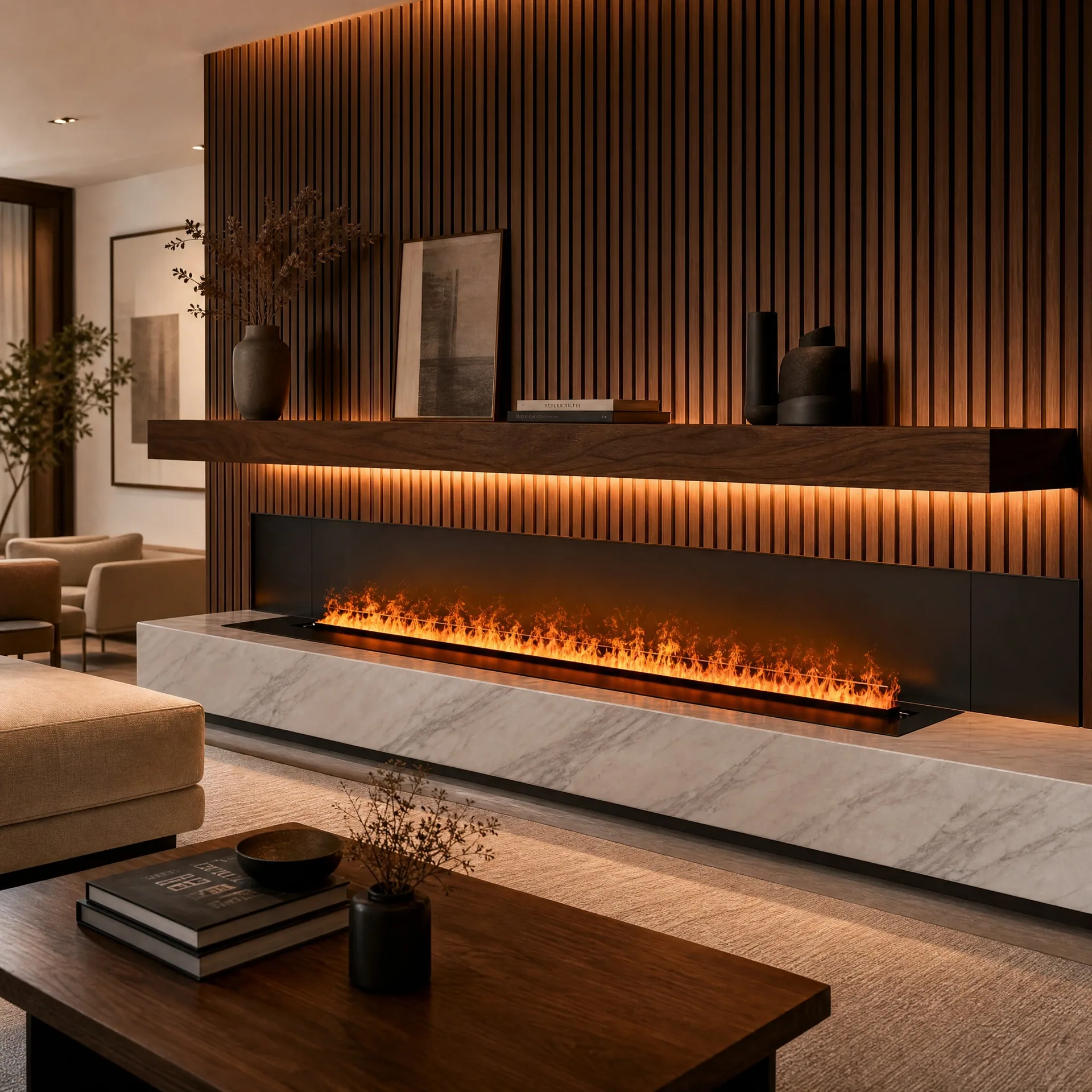
It depends on the fireplace technology
A fireplace can affect the thermostat's room temperature even when it is not connected to the heating ducts. Combustion equipment can introduce additional airflow and venting considerations. Identify whether the appliance is wood, gas, ethanol, electric or water vapor before diagnosing an interaction.
Thermostats and uneven temperatures
A heat-producing fireplace near the thermostat can warm that location while other rooms remain cooler. The heating system may then run differently from what occupants expect. Discuss thermostat location, zoning and the building's heating plan with an HVAC professional; do not simply raise the fireplace setting to compensate for a different room.
Combustion and pressure
Open or naturally vented combustion appliances can be affected by the balance of supply and exhaust air. The EPA identifies backdrafting as a situation in which airflow can draw combustion products into living areas. Kitchen exhaust, dryers and other equipment may be relevant to an assessment. Do not block an air inlet or alter a flue to solve a draft complaint.
Ethanol and visual-only equipment
An unvented ethanol appliance consumes room oxygen and releases combustion products. Its room-air requirements remain relevant even without a chimney. A water vapor effect has no combustion exhaust, but it introduces mist and needs the ventilation and water management specified for that unit. An electric heater contributes heat and requires an appropriate supply and clear airflow.
When to stop and obtain help
Smoke entering the room, a carbon-monoxide alarm, persistent combustion odors or unexplained fault shutdowns require action according to the appliance and alarm instructions. Do not keep operating while testing improvised ventilation changes. A qualified technician should review the building and the appliance together.
Information for the technician
Provide model and fuel, ventilation layout, when the symptom occurs, other equipment running at the time and thermostat location. A record of actual conditions is more useful than assuming every “ventless” product behaves the same way.