SEFIRE · Fireplace guides
What Kind of Concrete Should You Use for a Fire Pit?
Separate decorative concrete from the fire-facing lining. Choose a tested construction and compatible refractory products rather than an improvised mix.
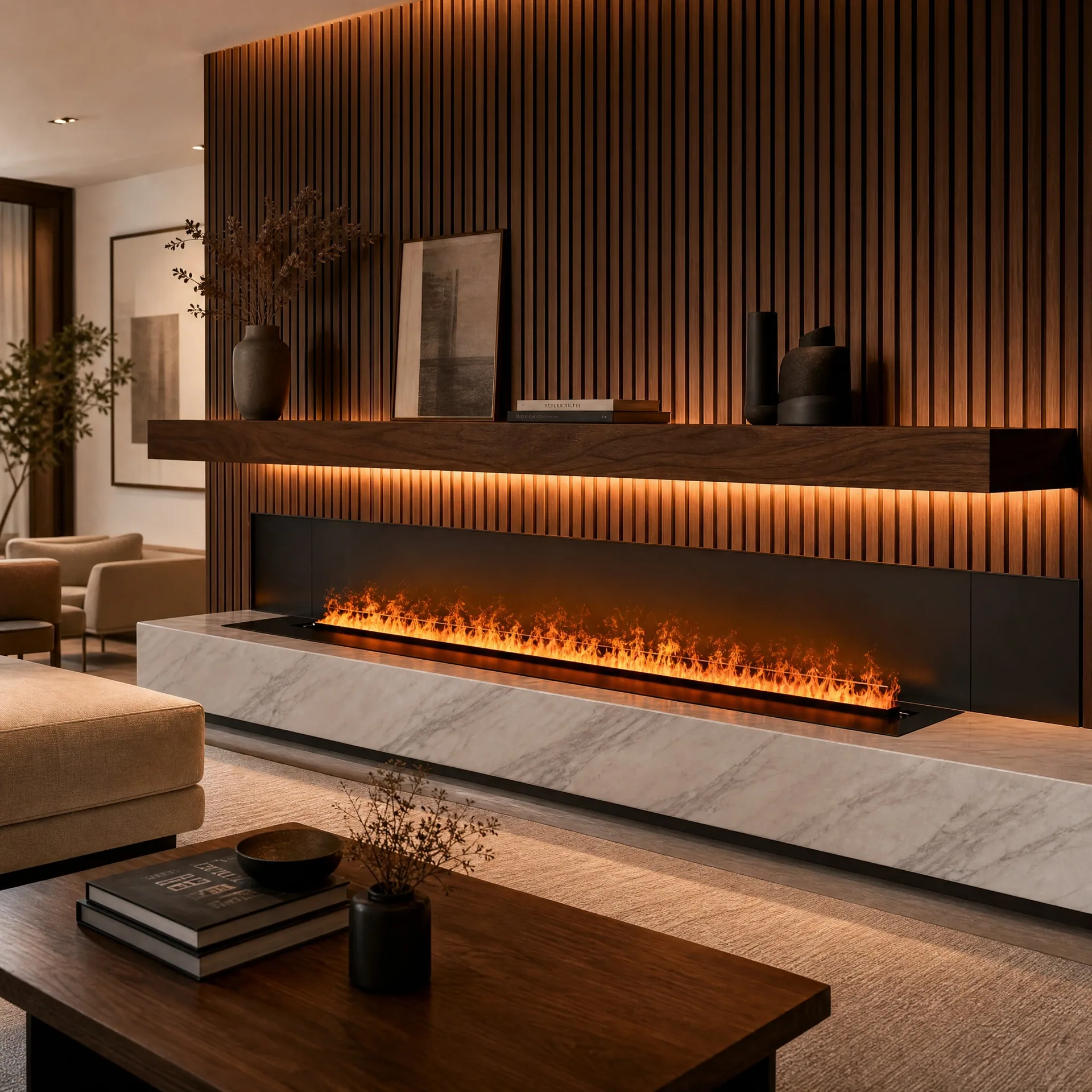
Ordinary concrete is not a universal firebox material
A decorative outer structure and a surface exposed to flame, embers or intense heat do different jobs. For the fire-facing area, use the appliance or construction system's specified liner, firebrick or refractory material. Do not assume that a high compressive-strength concrete mix is suitable for repeated fire exposure.
Design the complete assembly
The pit, burner or fire insert, liner, support, drainage, movement joints and surrounding clearances must work together. A metal ring or refractory lining is not a universal retrofit detail for an arbitrary concrete container. Have the assembly designed for its actual fuel and intended use.
Refractory materials are specific products
Manufacturers supply castable refractories and firebrick systems for defined applications. RUTLAND, for example, identifies castable refractory cement and firebricks for outdoor fire-pit projects. Follow the selected product's substrate, thickness, drying, curing and service instructions. Do not replace them with a homemade recipe taken from a decorative project photograph.
Moisture and outdoor exposure
Outdoor assemblies can become wet and undergo repeated thermal cycling. Drainage and appropriate drying matter. Do not accelerate curing or attempt a first high fire contrary to the material instructions. A coating does not make an unsuitable construction resistant to direct flame.
Liquid-fuel bowls are a separate hazard
Do not turn a concrete bowl into a fireplace by adding pooled alcohol. U.S. CPSC warnings identify serious flame-jetting and spreading-fire hazards in certain liquid-burning fire pits. A decorative container and an engineered ethanol appliance are different products.
For a mist-flame feature
A round water vapor insert does not create a wood fire, but its enclosure still needs adequate support, weather suitability, power, water connections and accessible maintenance. Use the actual insert drawing; do not transplant a fire-pit recipe into its installation. Keep its mist outlet and ventilation paths clear.