SEFIRE · Fireplace guides
Bioethanol Fireplace Environmental Impact: Claims to Check
Renewable feedstock, lifecycle emissions and indoor combustion are different questions. Avoid treating bioethanol as automatically zero-emission or carbon neutral.
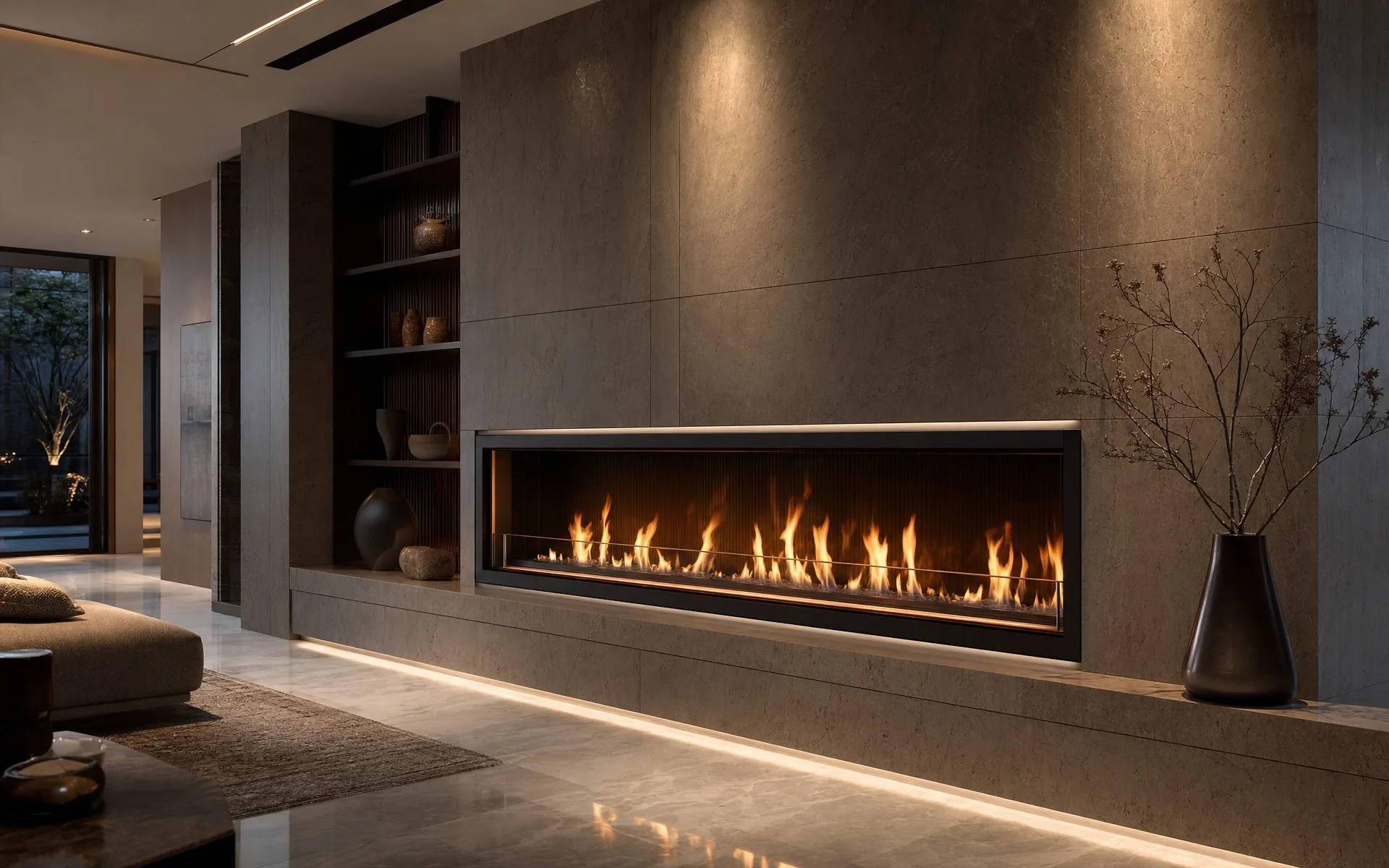
“Bio” describes a feedstock route, not every impact
Bioethanol is made from biological feedstocks, but its production, processing, transport, packaging and use all have environmental consequences. A renewable origin does not make the delivered fuel or complete fireplace emission-free. Ask which product and system boundary a claim describes.
Separate lifecycle and room-level effects
A lifecycle comparison can include farming or feedstock collection, processing energy, transport and final use. Indoor use is a separate question: an unvented ethanol appliance consumes oxygen and introduces combustion products into the room. A lifecycle claim does not remove the appliance's room-air or operating requirements.
Do not transfer vehicle figures to fireplaces
The U.S. Department of Energy's Alternative Fuels Data Center discusses ethanol emissions in the context of vehicle fuels and lifecycle analysis. Those results depend on the application and comparison. A percentage for an ethanol/gasoline vehicle blend is not a measured reduction for a decorative fireplace burning another fuel specification.
Questions for a supplier
- What fuel, feedstock and supply chain does the claim cover?
- Is there a current analysis or merely a marketing description?
- Does the comparison include packaging and transport?
- What emissions and ventilation information applies to the actual appliance?
- Are output, operating hours and the comparison technology equivalent?
Comparing decorative technologies
Water vapor and optical electric effects avoid combustion at the appliance, but they still consume electricity and involve equipment manufacture, maintenance and, for mist systems, water. Their environmental impact is not universally zero either. Compare a real operating schedule and local energy context rather than a broad “green” label.
Specify factual benefits
For a project, it is more useful to state the intended effect, documented consumption, maintenance and fuel arrangements. Request evidence for any quantified environmental promise and keep indoor air, fire safety and lifecycle questions distinct.